An RPG book isn’t a “read it once” product. It gets flipped open mid-session, left face-down on a table, and dragged to game night week after week. So specs aren’t decoration—they decide whether the book feels effortless to use, or like a chore.
Size
A5 is the table-friendly workhorse. Easy to hold, easy to pack, and it doesn’t steal table space when everyone’s already juggling dice and character sheets.
A4 is for big visuals—maps, diagrams, large tables, and art-forward layouts. More room to breathe, more presence, more weight.
Custom size makes sense when your layout, box size, or product line demands it.
Common pitfalls we help prevent: tiny type squeezed into A5, oversized A4 books that don’t fit your box, and layouts where key tables become unreadable once margins are tightened.
Binding
Saddle stitch is clean and efficient for shorter books—quick-start guides, slim supplements, short adventures.
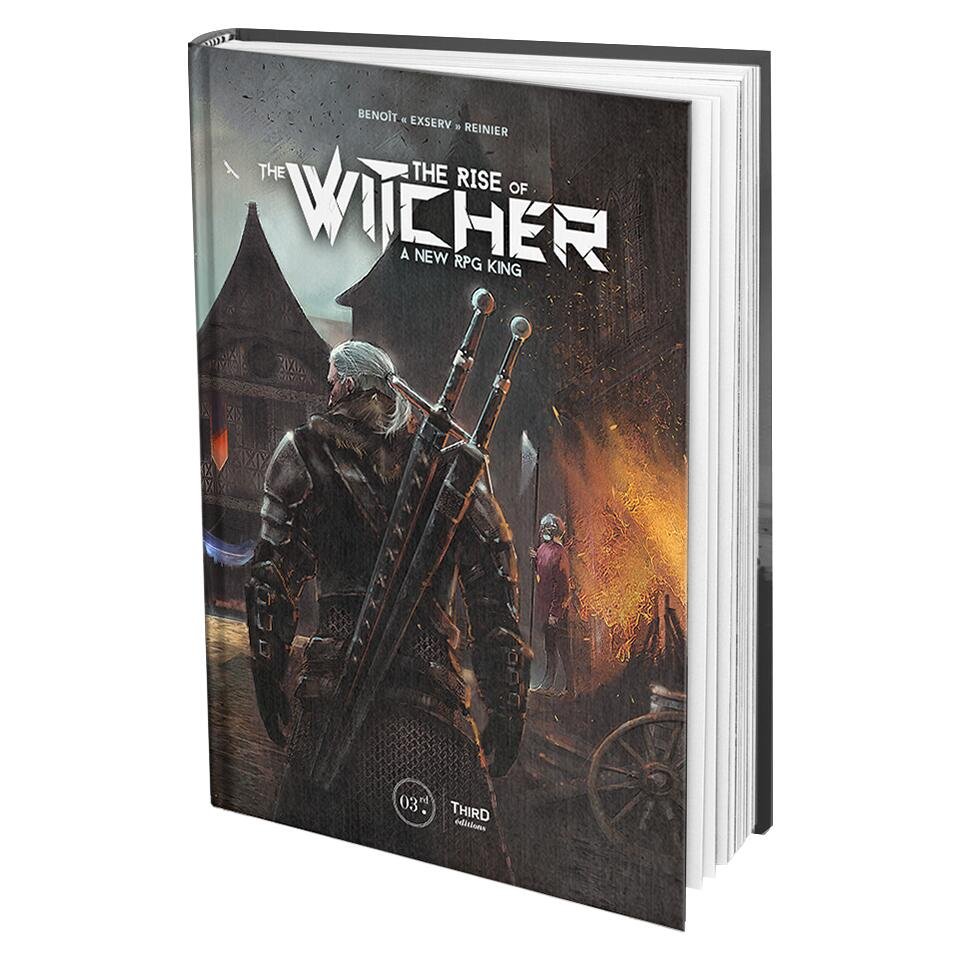
Perfect binding (softcover) is the standard for thicker rulebooks and longer supplements.
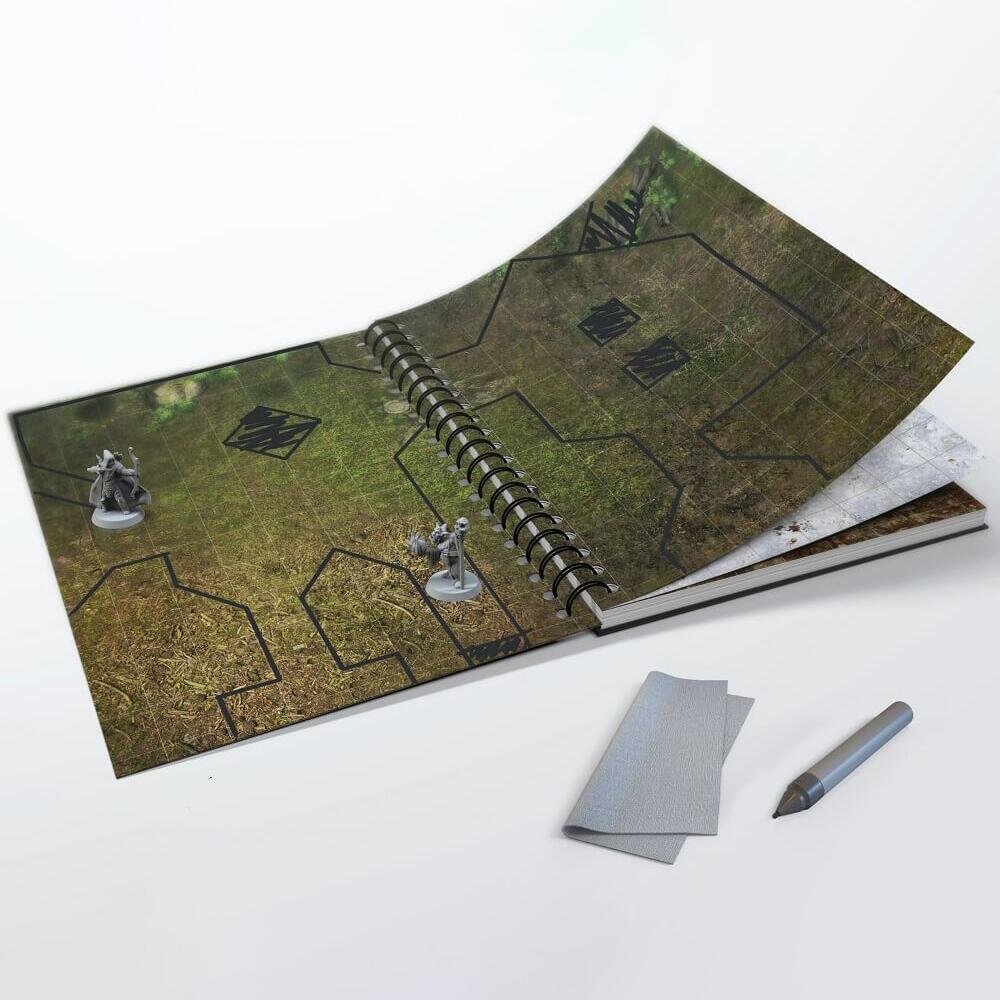
Spiral binding is the “stays open” choice—great for GM tools, procedures, tables, and anything referenced constantly.
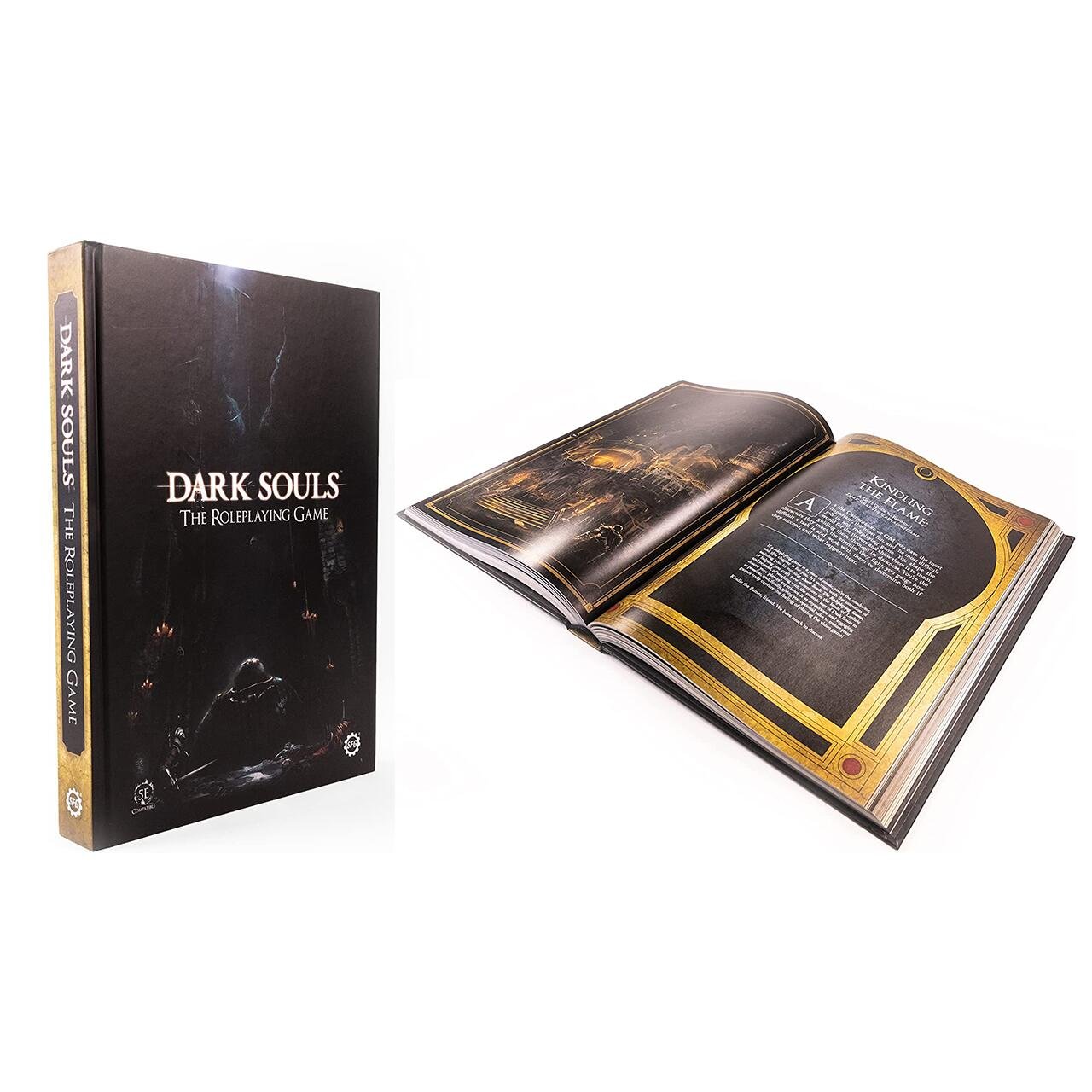
Casewrap (hardcover) is for flagship core books and premium lines—durable, shelf-ready, built to last.
Common pitfalls we help prevent: books that won’t lie open during play, spines that fatigue too fast, and “looks great on shelf / annoying at the table” binding choices.
Paper and materials
80gsm wood free paper keeps text-heavy books readable and weight under control.
128gsm / 157gsm C2S adds stiffness and a more premium page feel—especially for art-heavy or full-bleed layouts.
Cardboard is used where rigidity matters—covers, premium structures, special formats.
Common pitfalls we help prevent: show-through on dense pages, books that feel flimsy for the page count, and paper choices that make dark layouts look muddy.
Cover finishes
Most covers die from table life, not from printing. Finishes should help the book survive handling and stay readable under overhead light.
Lamination helps with scuffs, fingerprints, and general “game night abuse.”
Matte varnish reduces glare so titles and icons don’t wash out under ceiling lights.
Linen texture adds grip and a premium hand-feel (and hides minor wear better).
Embossing gives your title and symbols a tactile hierarchy players notice immediately.
Gold/Silver foil adds clean impact for logos and titles when used with restraint.
UV spot highlights specific elements without turning the whole cover into a mirror.
Common pitfalls we help prevent: glossy covers that glare on camera and at the table, finishes that scuff too easily, and overdone effects that fight readability instead of improving it.
Send your layout, page count, and a couple of sample spreads. We’ll recommend a spec combo that matches how your RPG book will actually be used—quick reference, long sessions, heavy GM use, or premium shelf presentation.