

Home / Components / Punchboard
Custom Board Game Punchboard Manufacturer
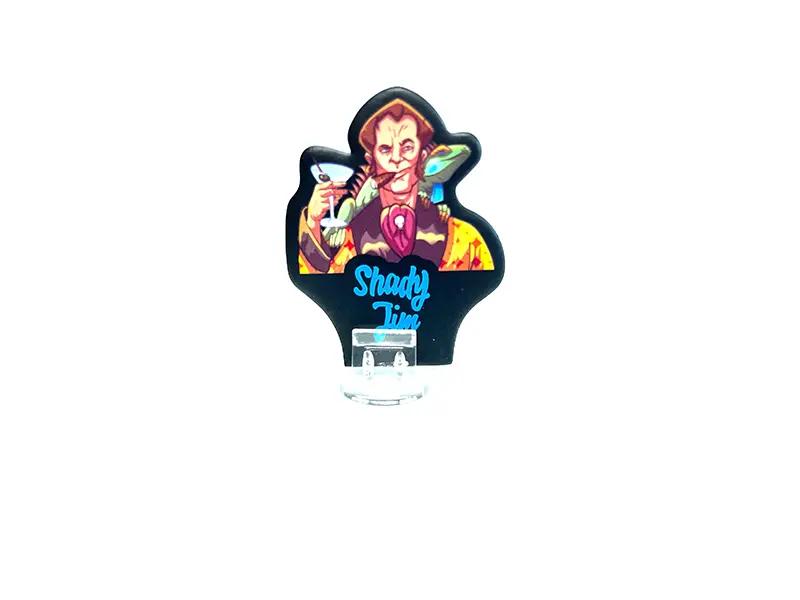
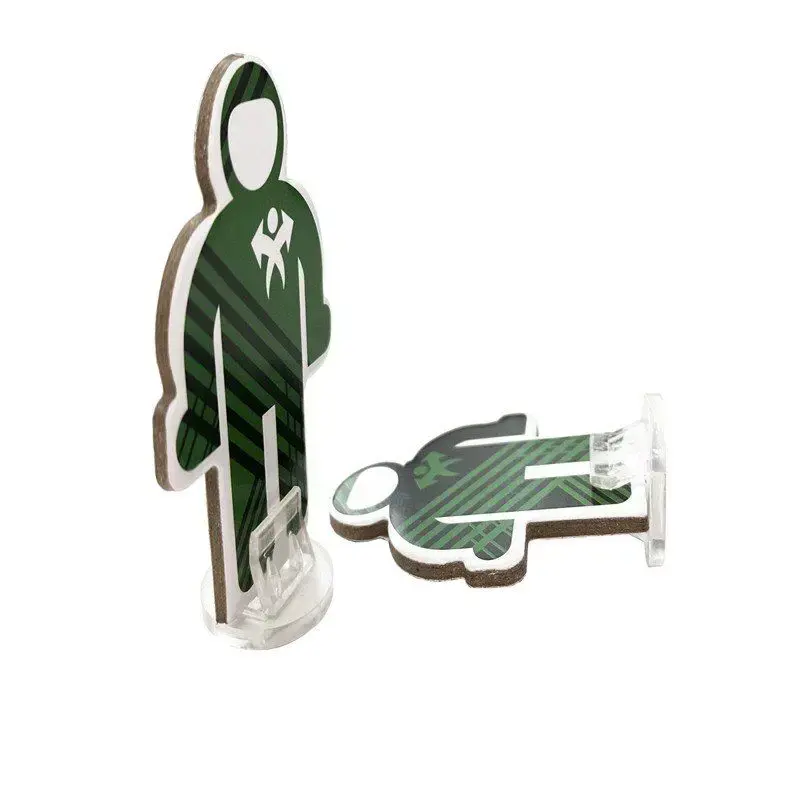
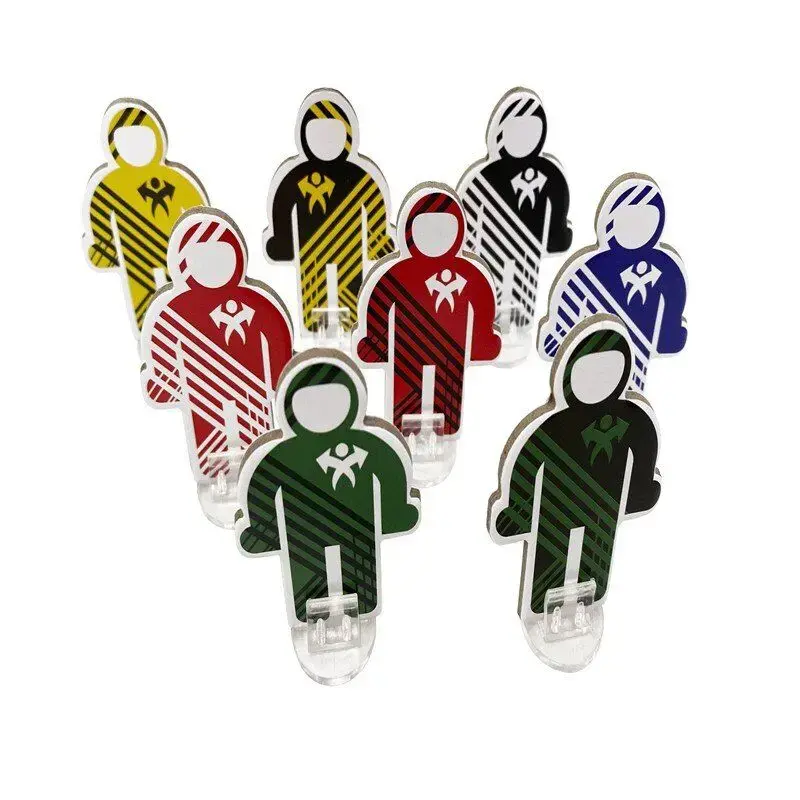
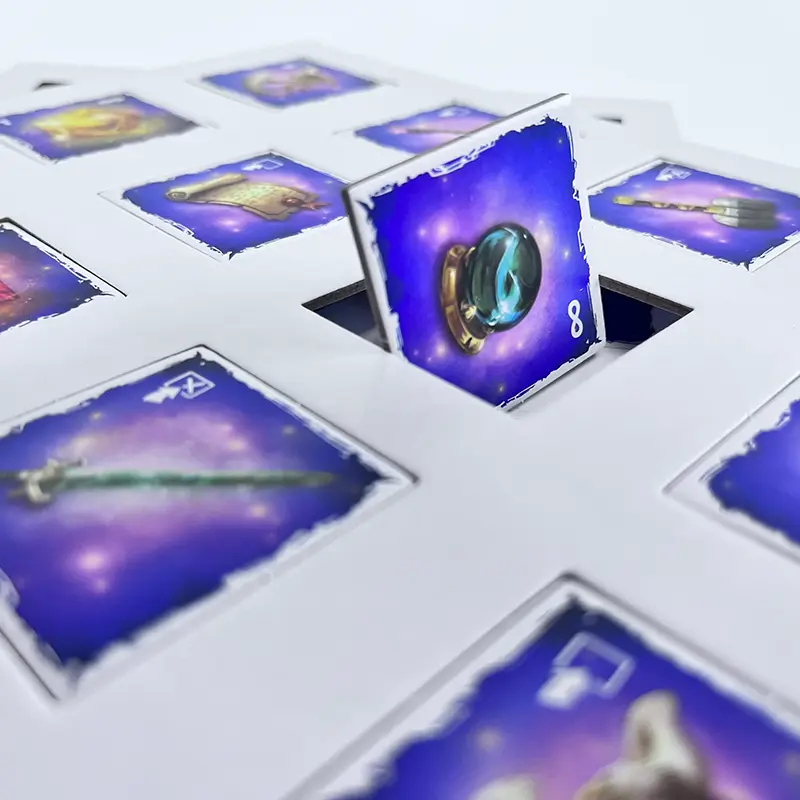
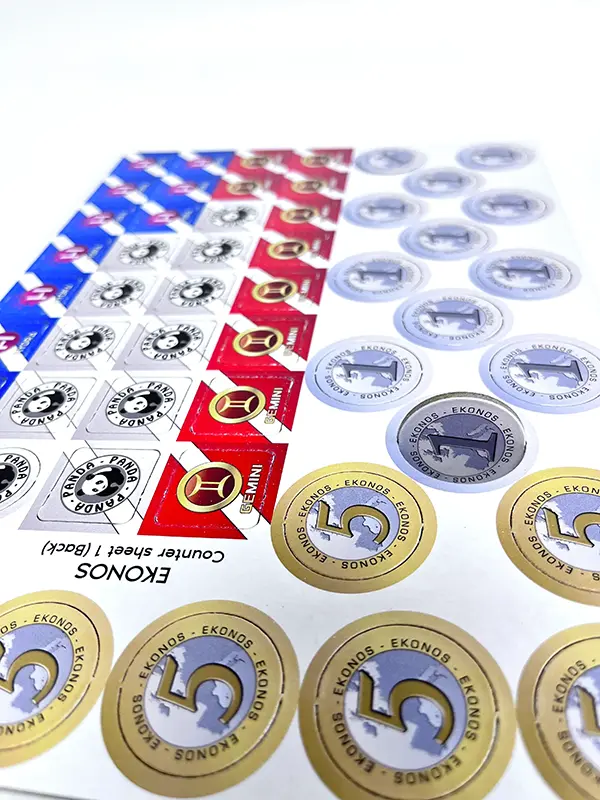
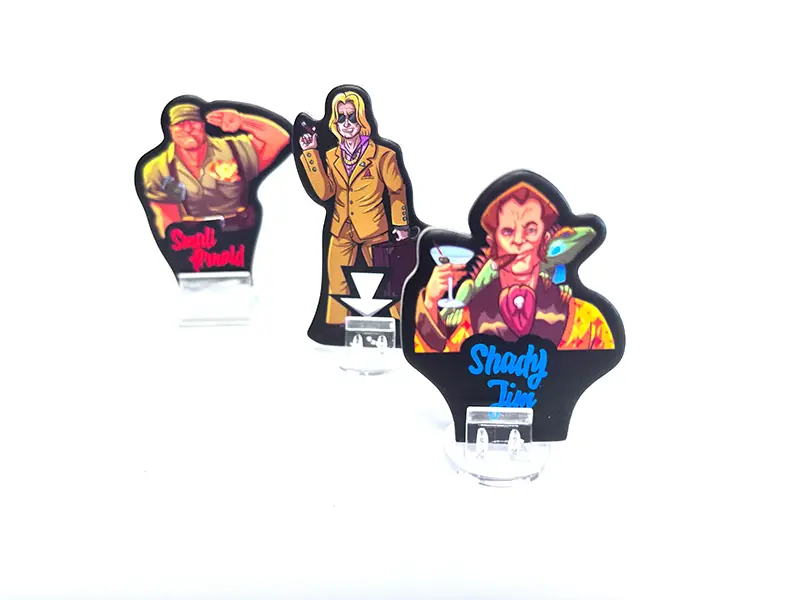
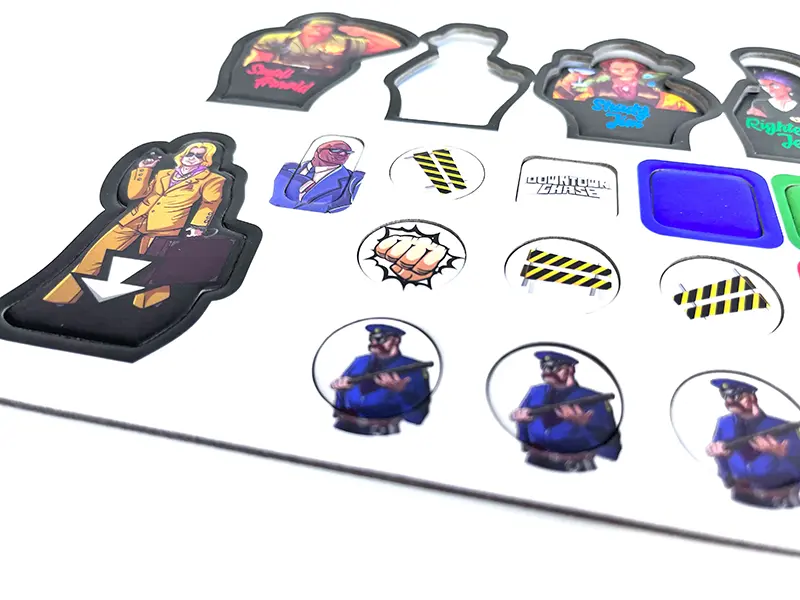
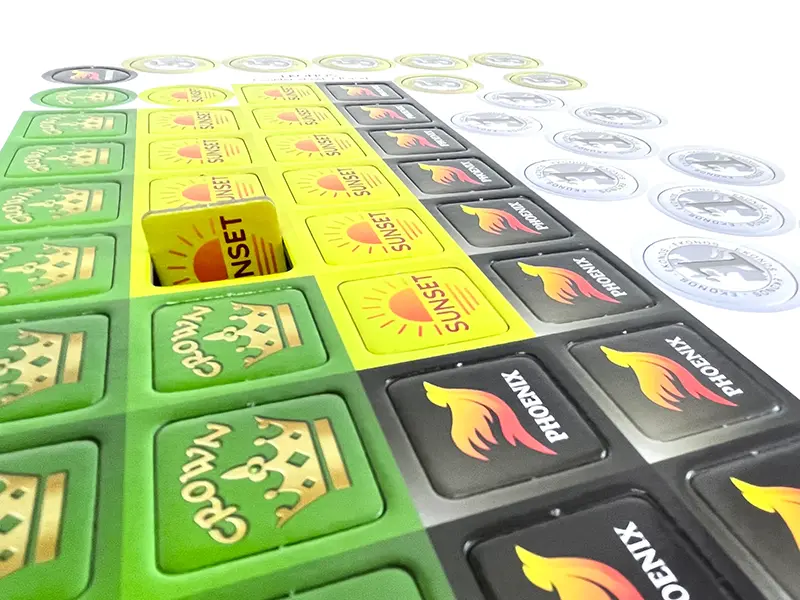
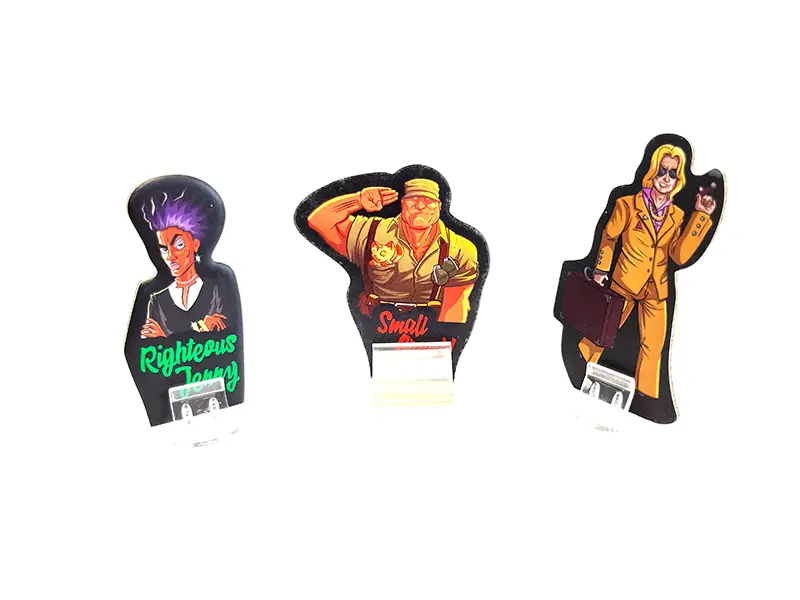


Punchboards can carry a lot of the action in a game. They can become tokens, tiles, markers, counters, standees, or custom-shaped pieces that players handle throughout every session.
Sunday Games builds custom board game punchboards from sturdy greyboard, with multiple thicknesses, paper stocks, printing options, and finishes available. Precise die-cutting keeps cardboard tokens and tiles clean around the edges, easy to punch out, and consistent from sheet to sheet.
The goal isn’t simply a thicker board or more finishing options. It’s a punchboard that feels solid in hand, punches cleanly without tearing, holds color well, and keeps every token and tile looking sharp after repeated play.
PUNCHBOARD
| Material | 1.5mm / 2.0mm Greyboard + 250g CCNB 1.0mm – 3.5mm Greyboard and customized thickness available |
|---|---|
| Surface Technology | AQ Coating, Hologram, Linen, Silver/Golden Foil |
| Packing | Flat Packed, Shrink Wrap, OPP Bag, Packed Directly into Game Box |
Punchboards look simple—until tokens tear on the way out, printed borders drift away from the cut line, or the layers begin to separate around the edges.
Players may never think about how a board game punchboard is made, but they notice immediately when a token feels too light, a tile punches out roughly, or two pieces that should match do not line up.
Sunday Games builds custom board game punchboards around the way the components will actually be used. Board thickness, mounted paper, die-cut geometry, surface finishing, and punch-out resistance are considered together—not as separate specifications.
The goal isn’t simply a thicker board. It’s tokens and tiles that feel solid in hand, punch out cleanly, stay flat on the table, and keep the artwork looking sharp after repeated play.
Start with the right board structure
Most custom punchboards use printed art paper mounted to greyboard on both sides. The board provides thickness and rigidity, while the printed surface controls color, detail, and overall presentation.
For most board game projects, we recommend 1.5mm or 2.0mm greyboard with 128gsm or 157gsm art paper. This gives tokens and tiles a substantial feel without making the punchboard unnecessarily heavy or difficult to pack.
Recommended combinations:
- Standard board game tokens: 1.5mm Greyboard + 128gsm / 157gsm Art Paper
- Premium tokens and tiles: 2.0mm Greyboard + 157gsm Art Paper
- Heavy or oversized tiles: 2.0–2.5mm Greyboard, depending on component size
- Cost-sensitive projects: 1.0–1.5mm Greyboard where gameplay allows
Common pitfalls we help prevent:
- Flimsy tokens: board stock that is too thin for frequent handling
- Warping: unbalanced materials or moisture affecting one side more than the other
- Delamination: printed paper lifting around the token edges
- Box fit issues: punchboards adding more stack height than the insert or box allows
Design the token before designing the die
A die-cut punchboard can produce much more than round counters. Tokens can be square, hexagonal, irregular, character-shaped, numbered, slotted, or designed as standees.
But every shape has manufacturing limits.
Very narrow sections, sharp internal corners, tiny gaps, and complex outlines can make a design harder to cut consistently. We review the geometry before tooling so the artwork and the cutting structure work together.
Common pitfalls we help prevent:
- Thin sections tearing during punch-out
- Small details breaking away from the main token
- Sharp corners becoming damaged during production
- Insufficient spacing between neighboring pieces
- Tokens becoming difficult to remove from the sheet
Precision die-cutting controls the punch-out feel
Good board game tokens should stay securely in the punchboard during packing and shipping, but release cleanly when the player removes them.
That balance depends on the cutting die, board thickness, cutting depth, sheet registration, and the small holding points that keep each piece attached to the surrounding board.
Too much connection and players have to force the token out. Too little and pieces can fall loose before the box is opened.
Common pitfalls we help prevent:
- Rough or fuzzy token edges
- Paper tearing away from the printed surface
- Tokens falling out during transportation
- Excessive force required during punch-out
- Cut lines drifting away from printed borders
- Inconsistent punch-out performance across the same sheet
Choose a finish that works with the components
Finishing changes more than appearance. It affects glare, friction, wear resistance, surface protection, and how the printed paper behaves around the die-cut edge.
For most custom board game punchboards, we recommend starting with AQ coating or matte PP lamination, then adding specialty finishes only where they contribute something meaningful to the game.
AQ Coating — Recommended for standard punchboards
A practical choice for most projects. It protects the printed surface while keeping the construction efficient and the finish relatively natural.
Best for:
- Standard tokens and counters
- Cost-sensitive games
- Large punchboard quantities
- Projects where clean, straightforward production is the priority
Matte PP Lamination — Recommended for premium punchboards
Adds stronger surface protection and reduces reflections under overhead lighting. It works particularly well for darker artwork and components that are handled frequently.
Best for:
- Premium board games
- Large tiles
- Frequently handled player tokens
- Dark or highly detailed artwork
Glossy PP Lamination
Creates stronger color saturation and a brighter appearance, but also increases reflected light.
Best for:
- Highly colorful artwork
- Children’s games
- Components where visual impact is more important than low glare
Linen Finish
Adds a subtle tactile texture and can give custom cardboard tokens a more traditional tabletop feel.
Best for:
- Strategy games
- Classic tabletop aesthetics
- Premium components where tactile feel matters
Spot UV, Holographic and Foil
These can be used to highlight selected artwork, symbols, borders, or special tokens. They work best as controlled accents rather than covering every component.
For intricate punchboards, specialty finishing should be reviewed together with the cutting paths so critical decorative areas do not conflict with token edges.
Keep artwork and cutting registration working together
Punchboard artwork often includes borders, circles, icons, or frames that visually reveal even a small cutting shift.
This is why we review the relationship between the printed artwork and the die line before production.
A token can technically be within manufacturing tolerance and still look wrong if a narrow printed border makes a small shift obvious.
Common pitfalls we help prevent:
- Uneven borders around round tokens
- Icons positioned too close to the cutting edge
- Text entering unsafe areas
- Artwork stopping directly at the finished edge
- Front and back graphics appearing visually misaligned
Whenever possible, we recommend avoiding extremely thin borders around die-cut shapes. A little more visual tolerance usually produces a cleaner-looking finished component.
File review before tooling
Send us your punchboard artwork and die-line files before the cutting die is made.
We check:
- Bleed and safe zones
- Cut-line structure
- Token spacing
- Small and fragile shapes
- Front-to-back alignment
- Printed border consistency
- Board thickness
- Punchboard dimensions
- Box and insert fit
- Finishing requirements
Finding these issues before tooling is much easier than discovering them after the first physical punchboard has already been produced.
Sample the actual construction
A punchboard sample should not only show the artwork.
It should allow you to evaluate the real component:
- Board thickness
- Surface feel
- Color
- Lamination
- Die-cut accuracy
- Punch-out resistance
- Token edge quality
- Finished token dimensions
- Front-to-back registration
Once approved, we carry the confirmed material, printing, finishing, die-cutting, and construction specifications into mass production.
From punchboard to finished game components
Whether your game needs a sheet of simple counters or several boards filled with custom-shaped tiles, standees, trackers, and markers, the manufacturing principle stays the same:
the punchboard should disappear once the game starts.
Players should notice the artwork, the weight of the pieces, and how naturally they work on the table—not the production problems behind them.
