

Home / Components / Boards
Boards
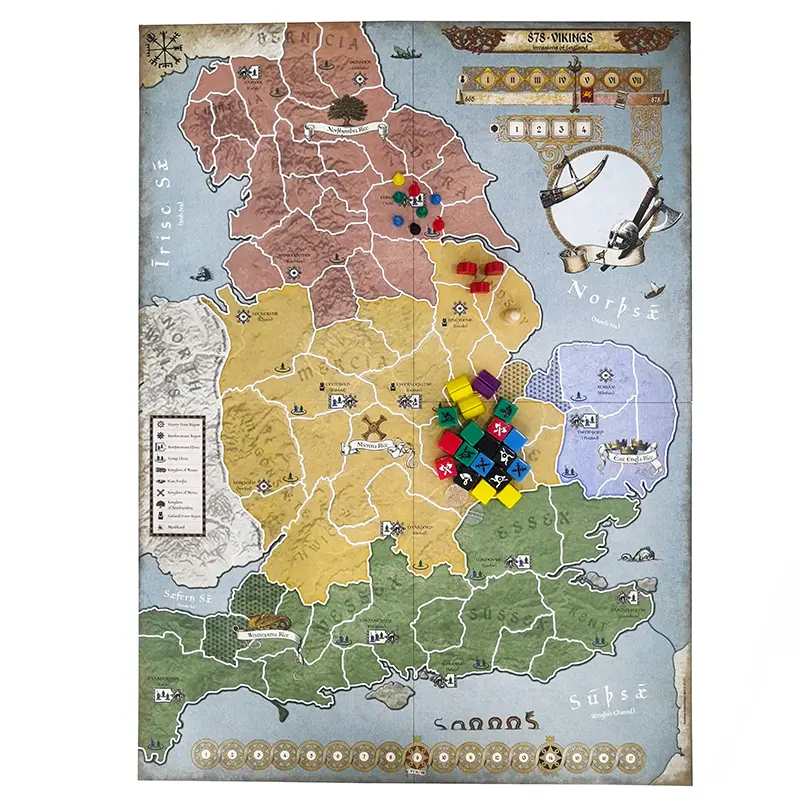
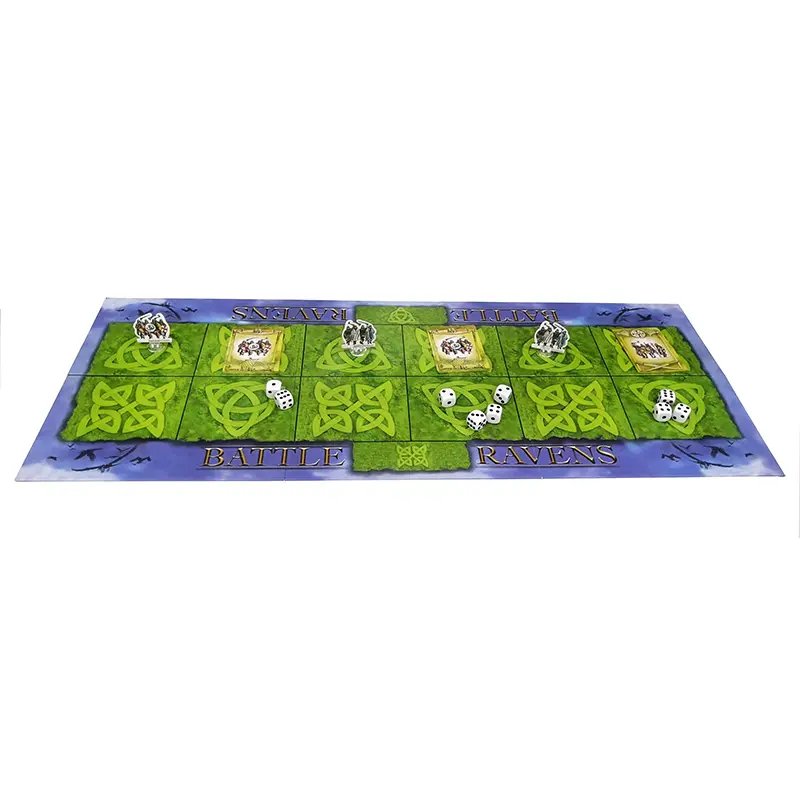
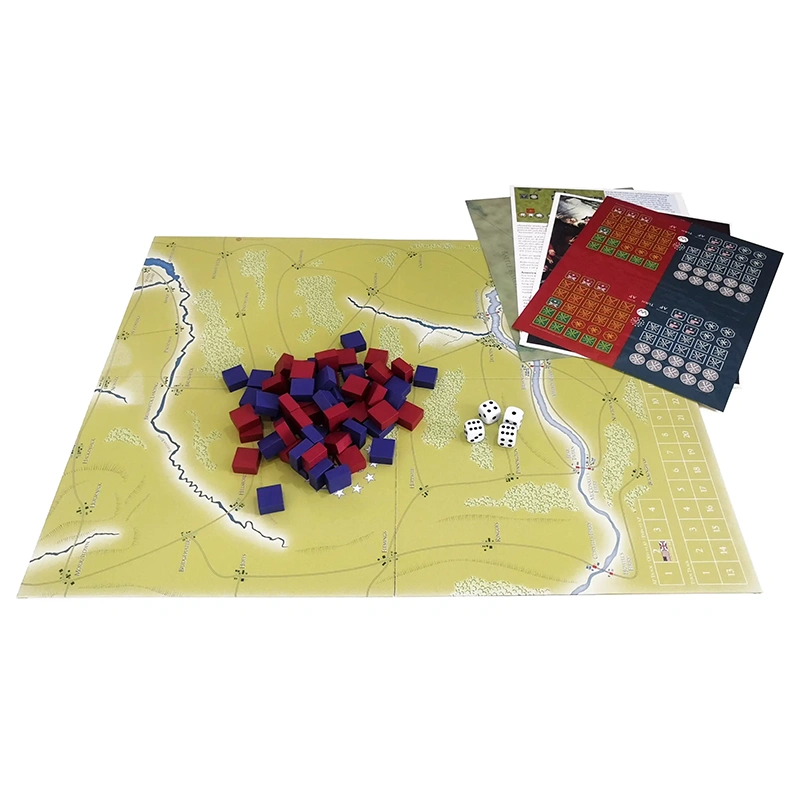
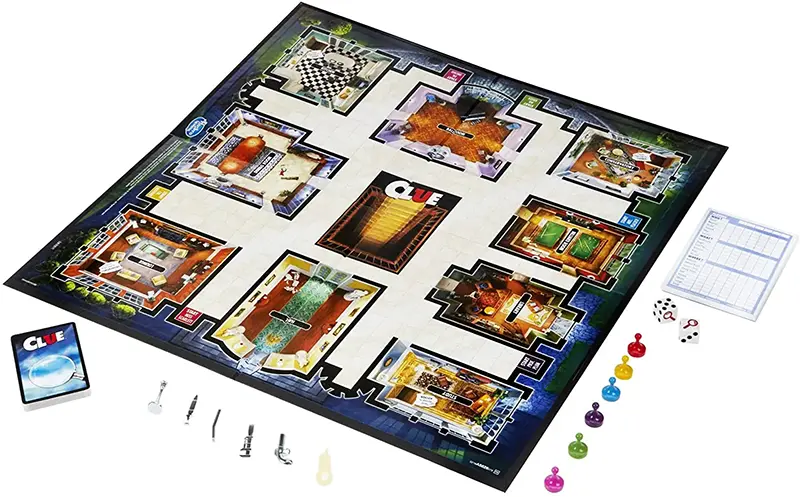
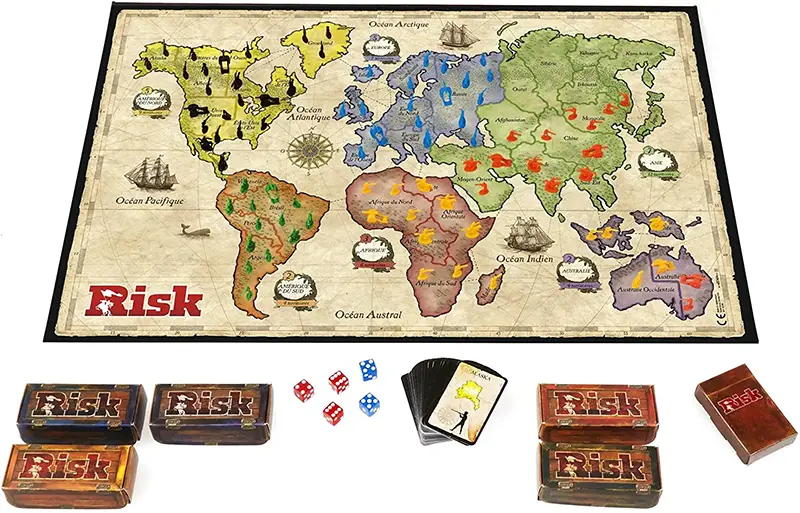
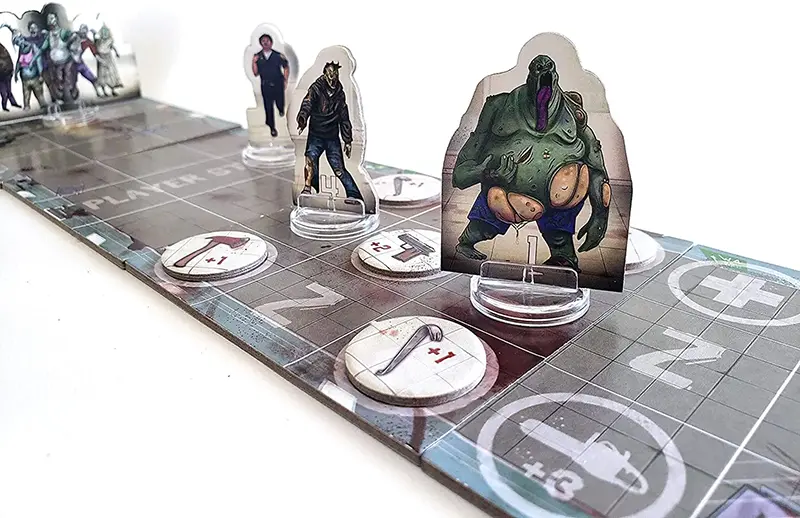
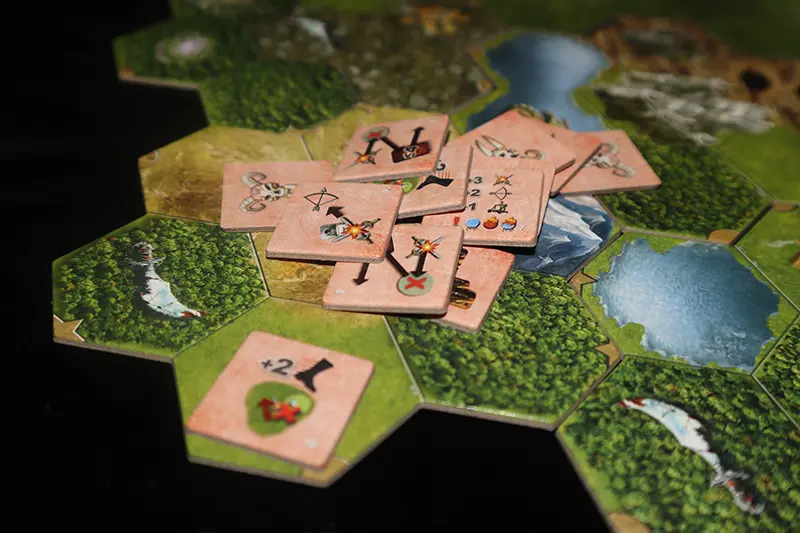


A game board is the centerpiece of most tabletop experiences—players stare at it for hours, so it should feel as good as it looks.
At Sunday Games, you can choose from multiple fold types and board thicknesses to match your layout, table space, and storage needs. Our standard boards use reinforced folds and wrapped edges, so they stay cleaner at the seams, hold their shape, and stand up to years of game nights.
And don’t neglect the back. A printed custom reverse side usually adds only a small cost, but it’s the kind of detail players notice every time they set the game up.
Planning something oversized? We can build giant boards too—without turning it into a shipping or durability headache.
| Size | According to design |
|---|---|
| Style | Clamshell Box, Magnetic Book Box, Plane Box, Tin Box, Toothpaste Box, Two Piece Box |
| Material | 157gsm Art Paper + 1.0mm / 1.2mm / 1.5mm / 1.8mm / 2.0mm / 2.5mm / 3.0mm Grey Board |
| Surface Technology | Embossed, Glossy Lamination, Hollow, Linen, Matt Lamination, Silver/Golden Foil, UV Spot |
GAME BOARDS
| Style | 1/1, 1/2, 1/3, 1/4, 1/6, 1/8, Puzzle, Neoprene Mat |
|---|---|
| Material | 157gsm Art Paper +1.0mm /1.2mm /1.5mm /1.8mm /2.0mm /2.5mm /3.0mm Grey Board, Black Binen Paper, Rubber |
| Surface Technology | Glossy Lamination, Linen, Matt Lamination, Silver/Golden Foil, UV Spot |
A game board looks simple—until it arrives with a curl, a cracked fold, or artwork that no longer lines up.
Players may not know why it feels “off,” but they feel it immediately.
A good board stays flat, folds clean, and keeps your map and grids looking sharp under real table lighting.
Board choices aren’t just about size. They affect table presence, storage, durability, and how your artwork survives the fold and wrap.
Start with size, then design for the fold
Choose a board size that fits your layout and your box. If you’re between sizes, send your draft—we’ll help you avoid common layout traps like key icons sitting on fold seams or borders that look uneven once the board is wrapped.
Common pitfalls we help prevent:
Misalignment at seams: grids, roads, or hexes that don’t meet cleanly across folds
Critical art on fold lines: titles, symbols, or victory tracks split by the crease
Tight safe zones: important elements drifting too close to wrap edges after mounting
Choose the feel: standard vs premium
Standard materials keep things efficient. Premium options add stiffness and a more substantial hand-feel, especially noticeable on larger boards or higher-MSRP editions.
Common pitfalls we help prevent:
Warping / bowing: boards that don’t sit flat after shipping or humidity changes
Soft corners: edges that dent easily during packing and fulfillment
Pick the finish players will actually play on
Gloss or matte changes how colors read under light. Smooth or linen texture changes how the board feels and how scuffs show over time.
Common pitfalls we help prevent:
Glare: overhead lighting reflecting off glossy surfaces and washing out art
Scuffing: dark areas showing wear quickly without the right surface choice
Color shift: finishes changing how saturated artwork appears on the table
Choose the fold that fits the table
Bi-fold, quad-fold, 6-fold and more—fold type is practical: table size, storage, and how often the board is opened and closed.
Common pitfalls we help prevent:
Fold crack / white lines: visible cracking along creases after repeated use
Uneven folding: panels that don’t close cleanly, causing edge wear over time
Construction: standard vs lay-flat
Standard construction works well for most projects. Lay-flat construction is used when you want the board to sit flatter on the table and feel more refined during play.
Common pitfalls we help prevent:
Lifted folds: boards that “tent” at the crease and won’t stay flat during play
Edge stress: tension that increases corner wear when the board is repeatedly folded
File review before it becomes a production problem
Send your design files and we’ll check fold alignment, safe zones, wrap/bleed, and seam behavior—so you don’t discover issues after sampling.
Sample, approve, then scale
We’ll produce a custom sample that reflects the real board: fold behavior, finish, and print. Once approved, we move into mass production.
Related products

Trending Blogs


